Website

SGR Designs - Fashion E-commerce Website Experience

A fashion e-commerce website concept designed to showcase clothing collections with a clean product grid, category-based browsing, and a seamless shopping experience across desktop and mobile devices.

E-commerceFashion WebsiteProduct UIResponsive Design
SGR Designs - Fashion E-commerce Website Experience - UI/UX design case study by Saurabh Pansari

1. Overview & Problem Statement

Project Overview

SGR Designs is a concept fashion e-commerce platform created to highlight clothing collections such as regular wear, oversized styles, winter wardrobe items, and customized fashion pieces.

The interface focuses on product visibility, category exploration, and promotional offers to create an engaging shopping experience.

Problem Statement

Many fashion e-commerce websites present large numbers of products without clear categorization, making it difficult for users to discover relevant items.

The challenge was to design a structured and visually organized shopping experience where users can easily browse collections and explore fashion categories.
2. Goals & Target Audience

Goals

The goal was to design a fashion shopping platform that improves product discovery and provides a clear browsing experience for different clothing categories.

The design emphasizes structured layouts, product-focused cards, and promotional sections to support purchasing decisions.

Target Audience

The platform targets users interested in trendy and casual fashion products.

It is particularly designed for users who prefer quick product browsing and visually organized clothing collections.

3. Information Architecture & Navigation

Information Architecture

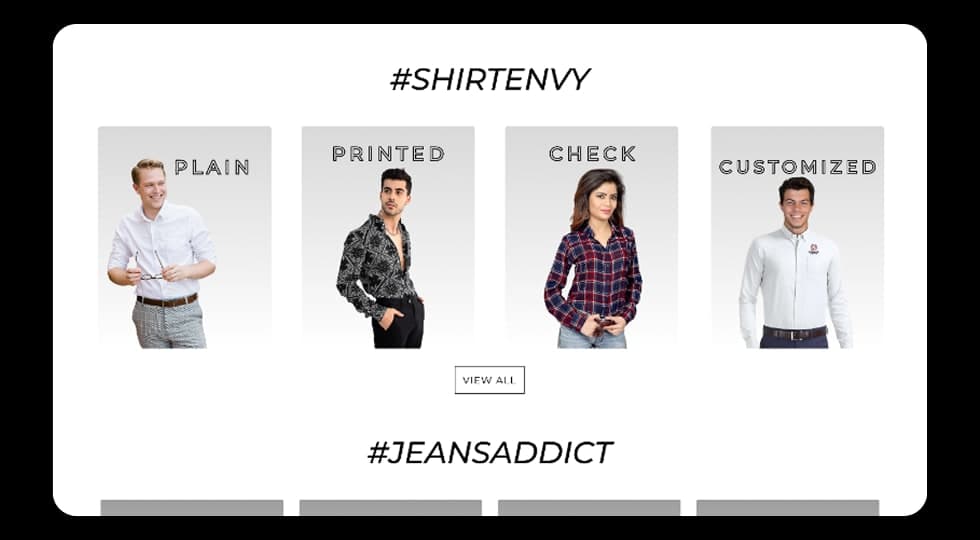
The website organizes fashion products into categories such as regular wear, oversized clothing, winter wardrobe items, and accessories.

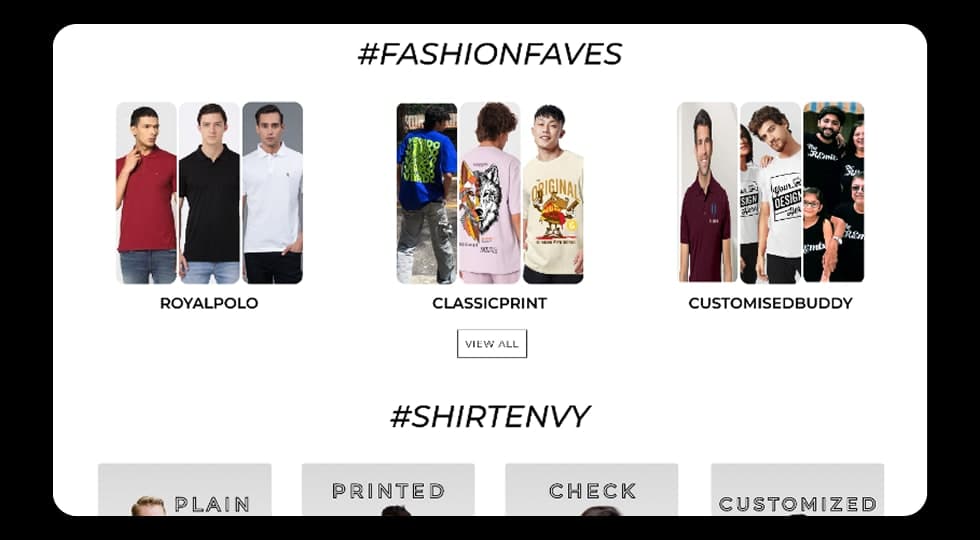
Special sections like fashion trends and curated collections help users explore popular styles.

Navigation Structure

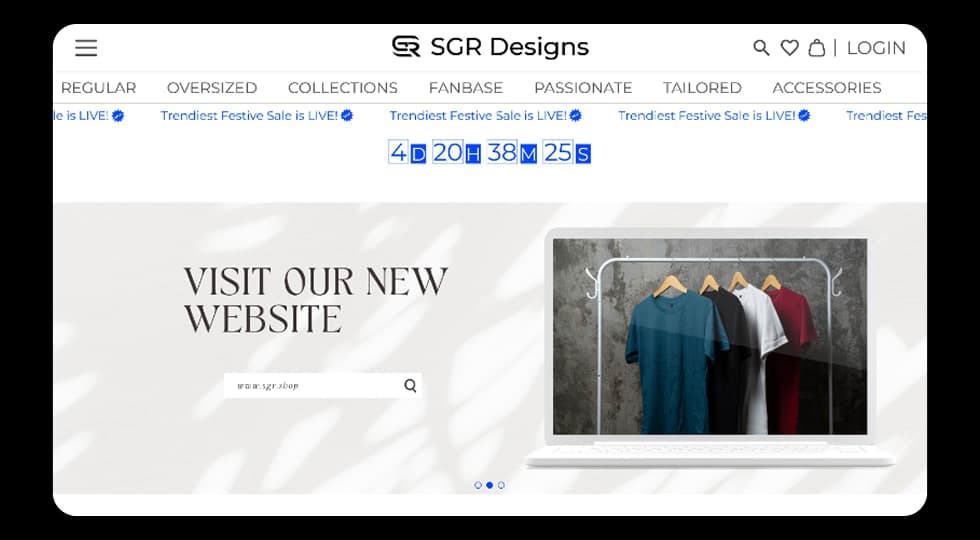
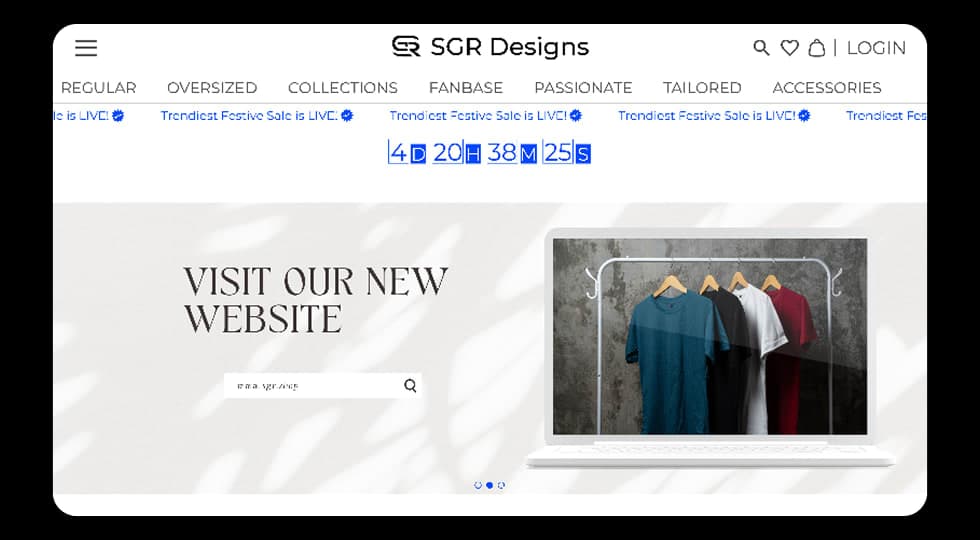
A top navigation bar allows users to navigate between main sections such as Home, Collections, Fanbase, Tailored items, and Accessories.

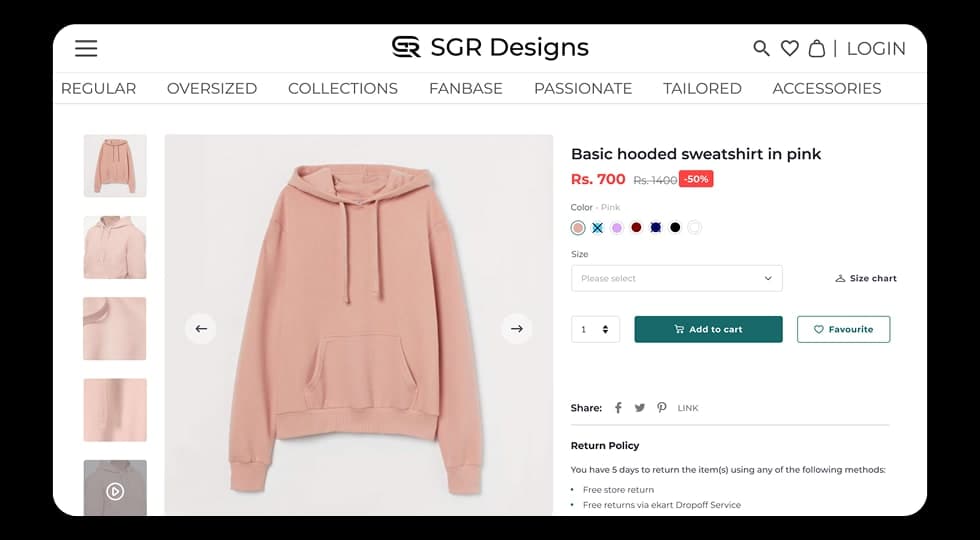
Product pages provide detailed information including product images, pricing, size options, and purchasing actions.

4. Design Strategy

Design Approach

The design uses a clean layout with neutral colors and strong product imagery to maintain focus on clothing items.

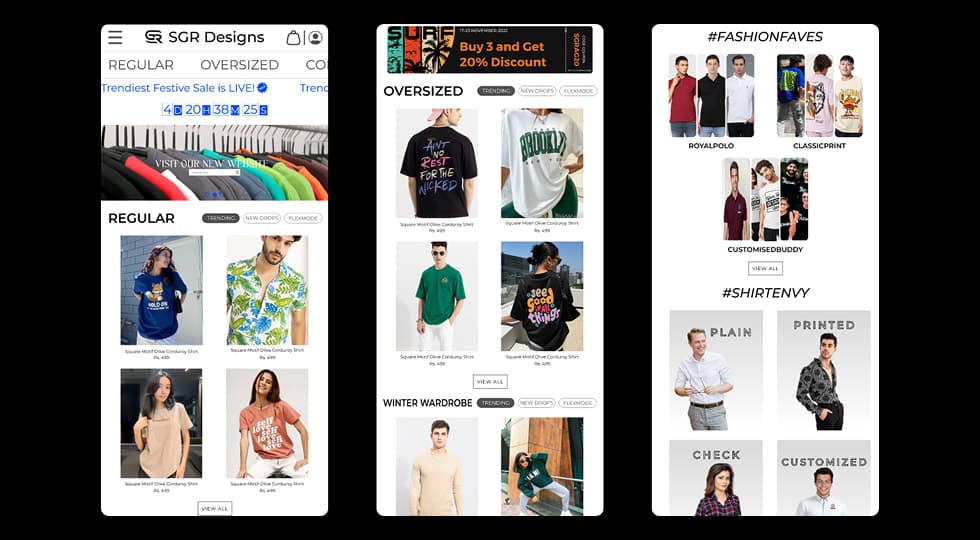
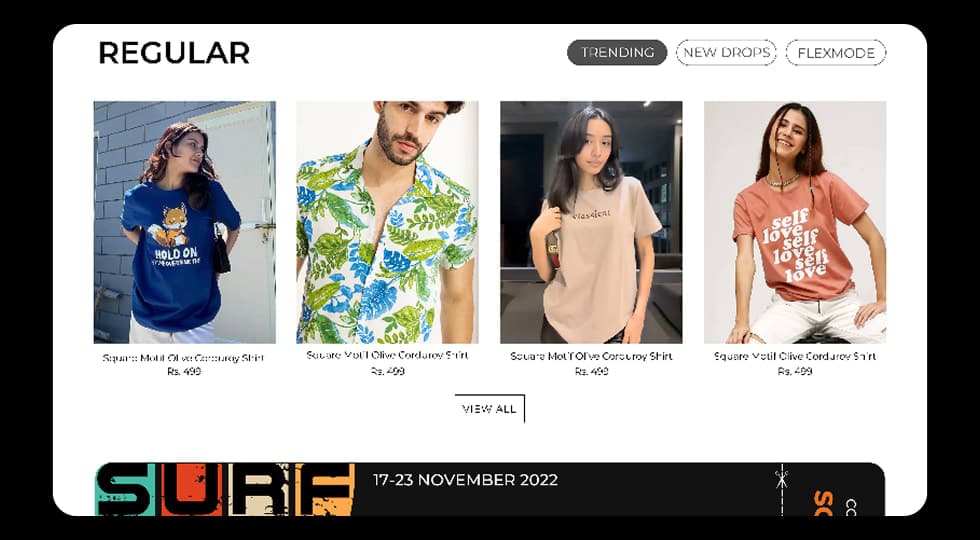
Product cards are arranged in structured grids that allow users to easily browse multiple items.

Visual Direction

Minimal UI elements and spacious layouts help highlight product photography.

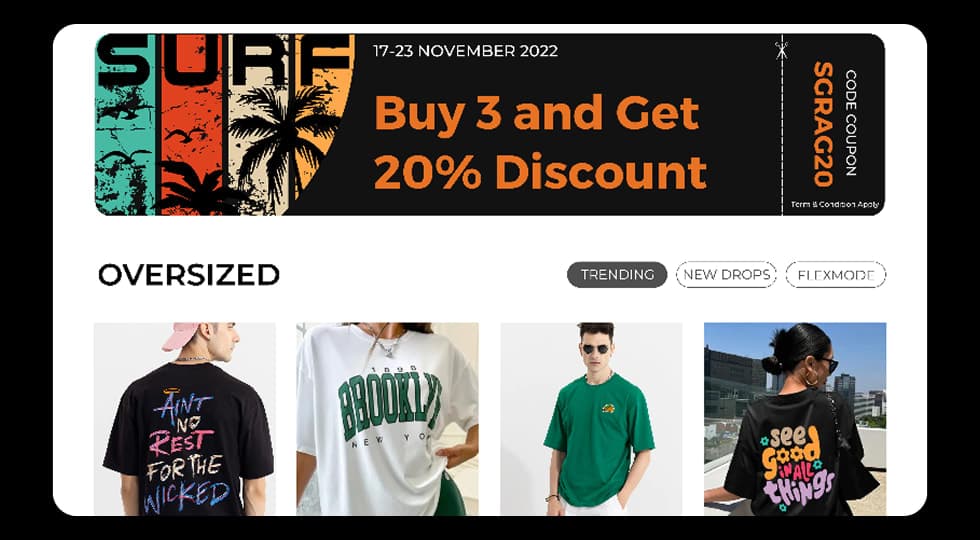
Promotional banners and featured sections are used to emphasize special offers and trending fashion collections.

5. Visual Design & Key Screens

Visual Design

The interface uses simple typography and product-centered layouts to create a clear and user-friendly shopping experience.

Neutral backgrounds and clean card layouts help maintain visual clarity.

Key Screens

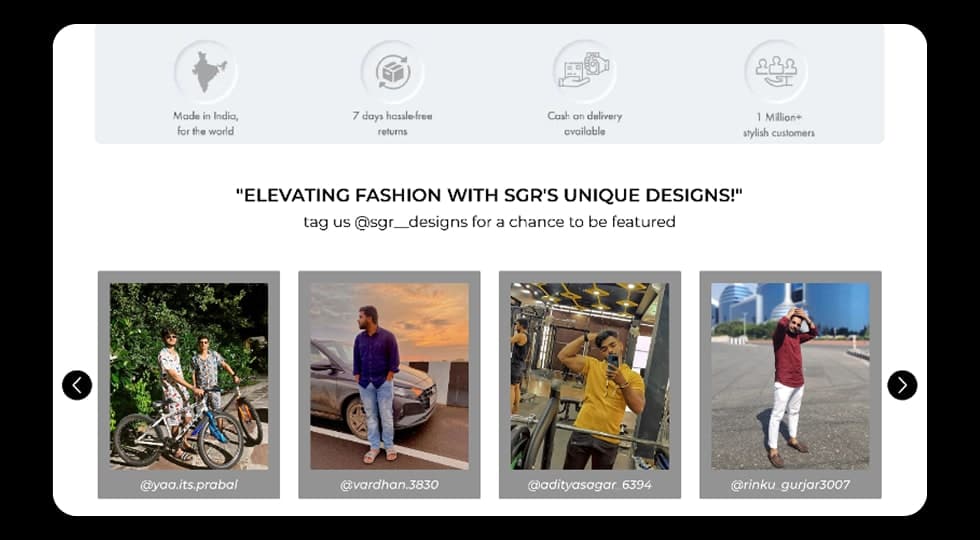
The homepage introduces clothing collections and promotional offers to encourage users to explore products.

Category sections allow users to browse fashion styles such as oversized clothing, winter wardrobe, and trending collections.

The product detail page highlights product images, pricing, size selection, and add-to-cart actions.

Visual Design & Key Screens 1
Visual Design & Key Screens 2
Visual Design & Key Screens 3
Visual Design & Key Screens 4
Visual Design & Key Screens 5
Visual Design & Key Screens 6
Visual Design & Key Screens 7
Visual Design & Key Screens 8

6. Interaction & Learnings

Interaction Design

Users can browse products through categorized sections and view detailed product information before purchasing.

Quick actions such as selecting sizes and adding items to the cart streamline the shopping process.

Key Learnings

This project demonstrated the importance of clear product categorization and structured layouts in fashion e-commerce platforms.

Balancing promotional content with product discovery helps create a better shopping experience.

7. Figma Prototype Embed