Website

Joining Hands - Community Support & Wellness Platform

A digital community platform that connects people through wellness events, peer communities, forums, and educational content for mental well-being.

Community PlatformWellness PlatformUI DesignUX DesignWeb PlatformEvent PlatformMental Health
Joining Hands - Community Support & Wellness Platform - UI/UX design case study by Saurabh Pansari

1. Project Hero

Joining Hands is a digital platform designed to help individuals connect with supportive communities focused on mental wellness, personal growth, and emotional healing.

The platform brings together events, discussion forums, peer support networks, and educational content in one unified ecosystem. Users can explore wellness communities, join events, read insightful blogs, and connect with others who share similar experiences.

Role: UI/UX Designer
Platform: Web Platform
Industry: Mental Wellness / Community Platform
2. Project Overview

Joining Hands was created to provide a safe and supportive digital environment where people can connect with communities that promote mental wellness and personal development.

Many individuals experience emotional stress, anxiety, or life challenges but lack access to supportive communities where they can openly share their experiences. Traditional social platforms often lack structured spaces for meaningful conversations around mental health and personal growth.

The platform addresses this gap by creating a structured ecosystem where users can explore wellness communities, participate in events, join conversations in forums, and access educational content focused on personal development.

By combining community engagement, learning resources, and event participation, the platform encourages continuous growth and meaningful connections among its members.

3. Problem Statement

People facing emotional or psychological challenges often struggle to find safe communities where they can openly share experiences and receive support.

Most platforms either focus only on content consumption or do not provide structured environments for community interaction. As a result, users may feel disconnected or hesitant to engage in conversations related to mental health.

There was a need for a platform that could combine community discussions, wellness events, peer connections, and educational resources in one place while maintaining a welcoming and easy-to-use interface.

4. Goals & Objectives

The goal of the platform was to create a digital ecosystem that encourages emotional well-being through community interaction and educational experiences.

The product aimed to help users discover relevant wellness communities, participate in structured events, and build supportive relationships with people who share similar experiences.

Key objectives included enabling users to join wellness-focused communities, participate in discussions, attend events and workshops, explore educational blogs, and connect with peers who can provide support and encouragement.

5. Target Users

The platform is designed for individuals seeking emotional support, community engagement, and personal development opportunities.

Many users are people dealing with stress, anxiety, or life transitions who want to connect with others who understand similar experiences.

Another group of users includes individuals interested in mindfulness, meditation, yoga, and self-growth practices who want to participate in workshops or discussions related to these topics.

The platform also supports community organizers and experts who host wellness sessions, workshops, or group discussions for the community.

6. User Journey

Users begin their journey by registering and creating a personal profile on the platform.

After onboarding, users can explore different communities related to mental wellness topics such as meditation, stress management, therapy discussions, or personal growth.

Users can then browse upcoming events and workshops hosted by experts or community leaders. These events may include online sessions, group discussions, or wellness activities.

Within the forum section, users can participate in discussions, ask questions, and share personal experiences with other members.

Users can also explore blog articles that provide insights into mental wellness, gratitude practices, mindfulness, and emotional resilience.

7. Key Features

The events platform allows users to browse and register for upcoming wellness events, workshops, and talks hosted by experts or community leaders.

Community forums create spaces for open discussions where members can share experiences, ask questions, and support each other.

Peer support networks enable users to discover individuals with similar experiences and build meaningful connections within the platform.

The blog section provides educational articles and insights focused on emotional well-being, mindfulness practices, and personal growth.

Community member profiles allow individuals to share personal stories and experiences that can inspire and support others facing similar challenges.

8. Information Architecture

The platform structure was designed to keep navigation simple and intuitive while supporting multiple types of content and interactions.

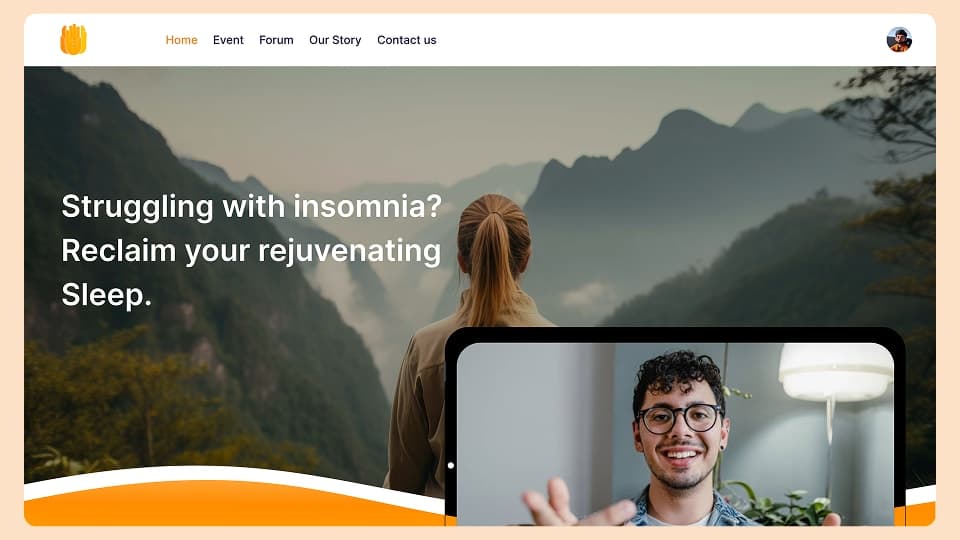
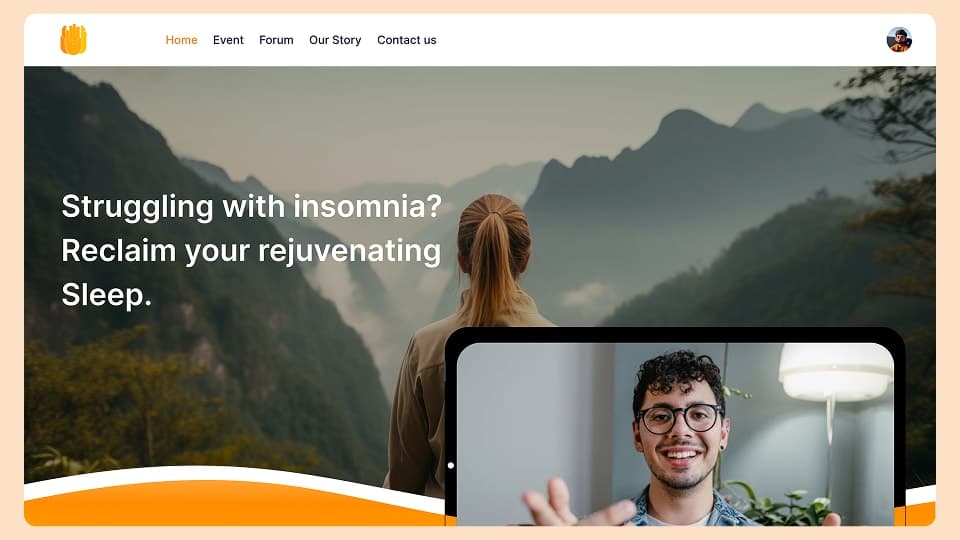
The homepage introduces the platform and highlights featured events, communities, and blog content.

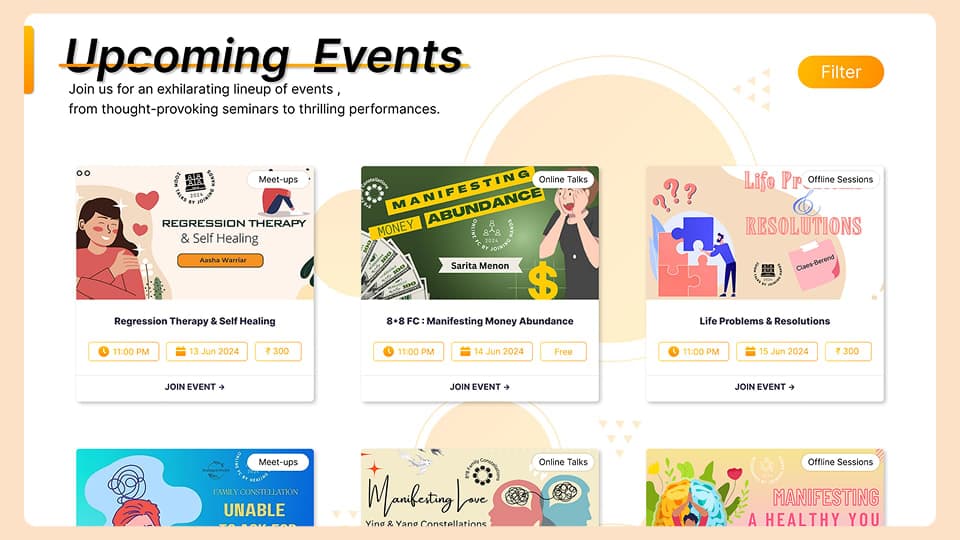
The events section allows users to explore upcoming wellness sessions and workshops.

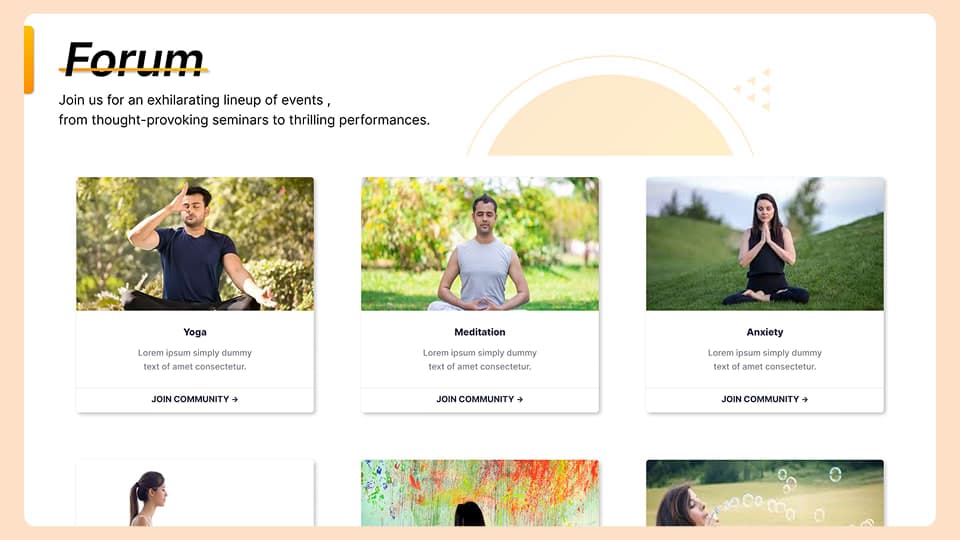
The forum section provides spaces for community discussions around different mental wellness topics.

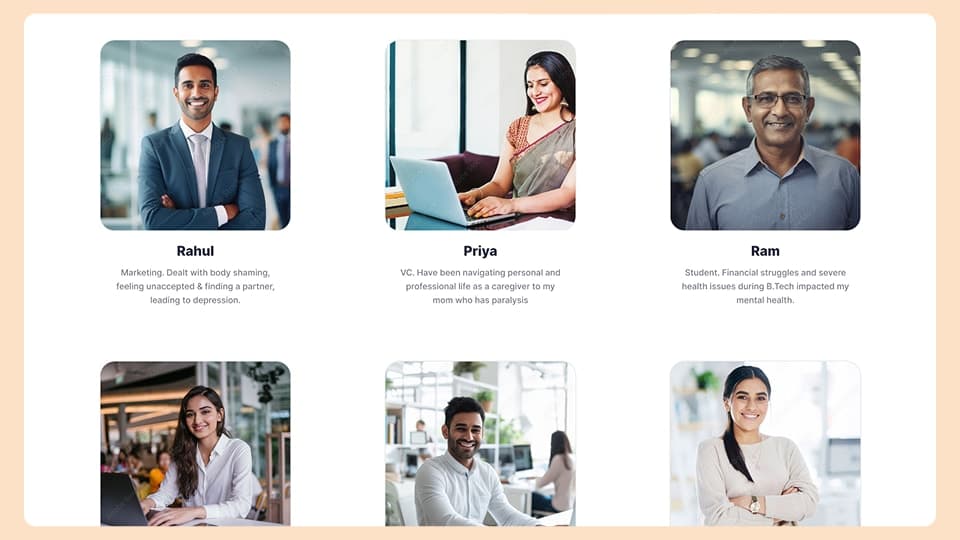
The peers section highlights community members and their personal journeys.

The blog section contains educational content and articles related to emotional well-being and personal development.

The contact section allows users to reach out for support or platform inquiries.

9. Design Process

The design process focused on creating an experience that feels welcoming, supportive, and easy to navigate.

Initial research explored how users interact with community platforms and how digital environments can support mental wellness conversations.

Wireframes were created to define the layout structure for major sections such as events, forums, blogs, and peer communities.

The interface was designed with a friendly and approachable visual language that encourages participation while maintaining clarity and accessibility.

Interactive prototypes were developed to test navigation flows and ensure that users could easily move between different sections of the platform.

10. Visual Design

The visual design focuses on warmth, trust, and accessibility.

Soft neutral backgrounds combined with warm orange accents create a friendly atmosphere while guiding users toward important actions such as joining events or communities.

Card-based layouts help organize content clearly and make it easy for users to browse events, blogs, and community discussions.

Rounded elements and large imagery help reinforce the human-centered nature of the platform and make the interface feel approachable.

11. Key Screens

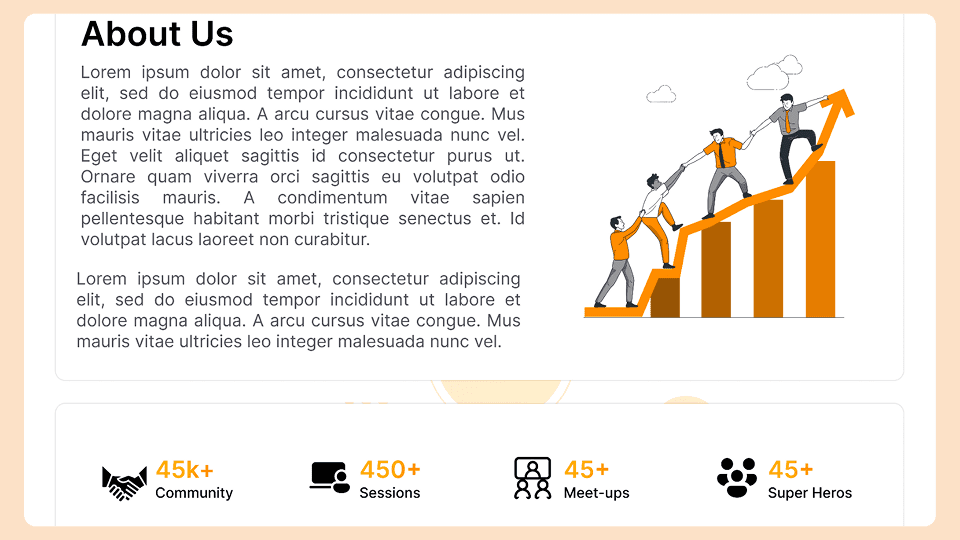
The homepage introduces users to the platform and highlights key sections such as upcoming events, community discussions, and blog content.

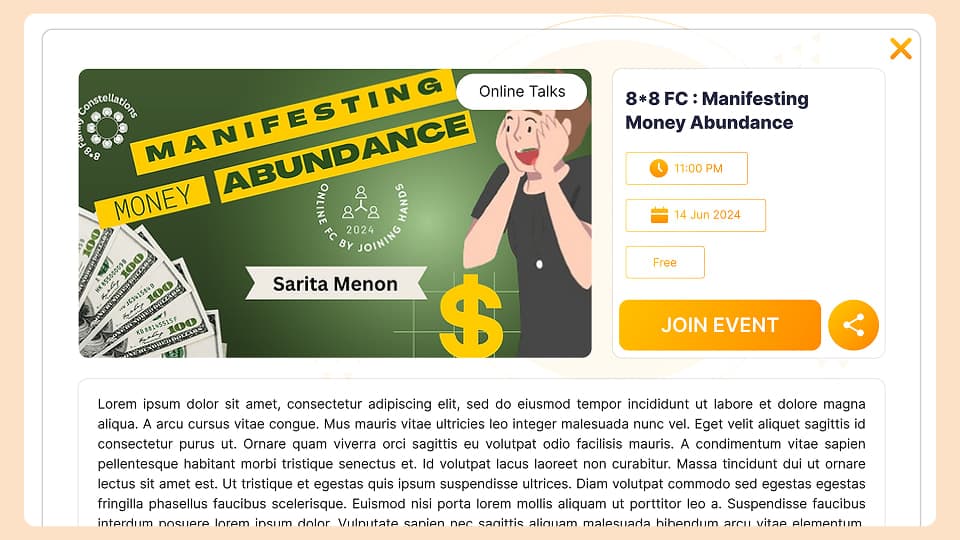
The events page allows users to browse available workshops, view details such as date and time, and register for sessions.

Each event includes a detailed page with descriptions, speaker information, and participation options.

The forum page allows community members to explore discussions and join conversations across different topics.

The peers page highlights member profiles and personal journeys shared by individuals within the community.

The blog page provides educational content focused on mindfulness, gratitude practices, emotional well-being, and self-growth.

The contact page provides a form where users can reach out for support or inquiries.

Key Screens 1
Key Screens 2
Key Screens 3
Key Screens 4
Key Screens 5
Key Screens 6

12. Responsive Design

The platform was designed with responsive layouts to ensure usability across both desktop and mobile devices.

Content sections adapt to different screen sizes while maintaining readability, clear navigation, and consistent spacing.

Cards, event listings, and community sections reorganize dynamically to maintain a smooth browsing experience on smaller screens.

13. Design Challenges

One of the main challenges was balancing multiple sections such as events, forums, blogs, and peer communities without overwhelming users.

The platform needed to support different types of content while keeping navigation intuitive and easy to understand.

Another challenge was creating a welcoming environment where users feel comfortable exploring sensitive topics related to mental health and personal growth.

14. Key Learnings

Designing platforms focused on emotional well-being requires careful attention to tone, content hierarchy, and accessibility.

Encouraging community participation while maintaining a safe and respectful environment is essential for long-term engagement.

The project reinforced the importance of designing digital experiences that support meaningful human connections.

15. Final Outcome

Joining Hands provides a structured digital ecosystem where users can explore communities, attend wellness events, participate in discussions, and learn through educational content.

The platform combines community engagement, learning resources, and real-world events to support users on their personal growth and emotional well-being journey.

16. Figma Prototype Embed